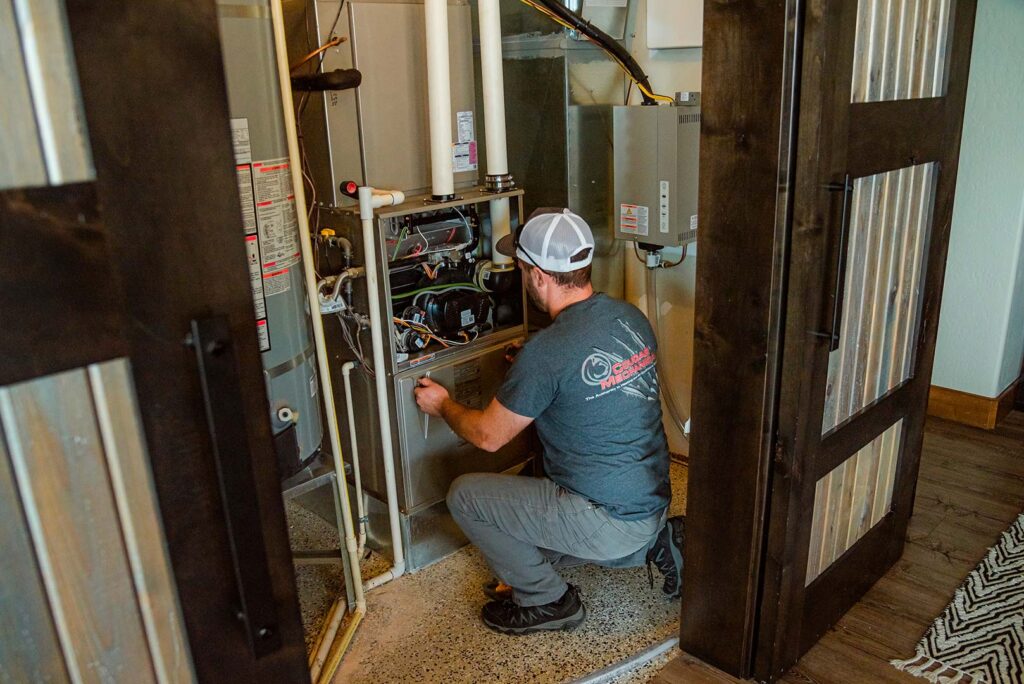
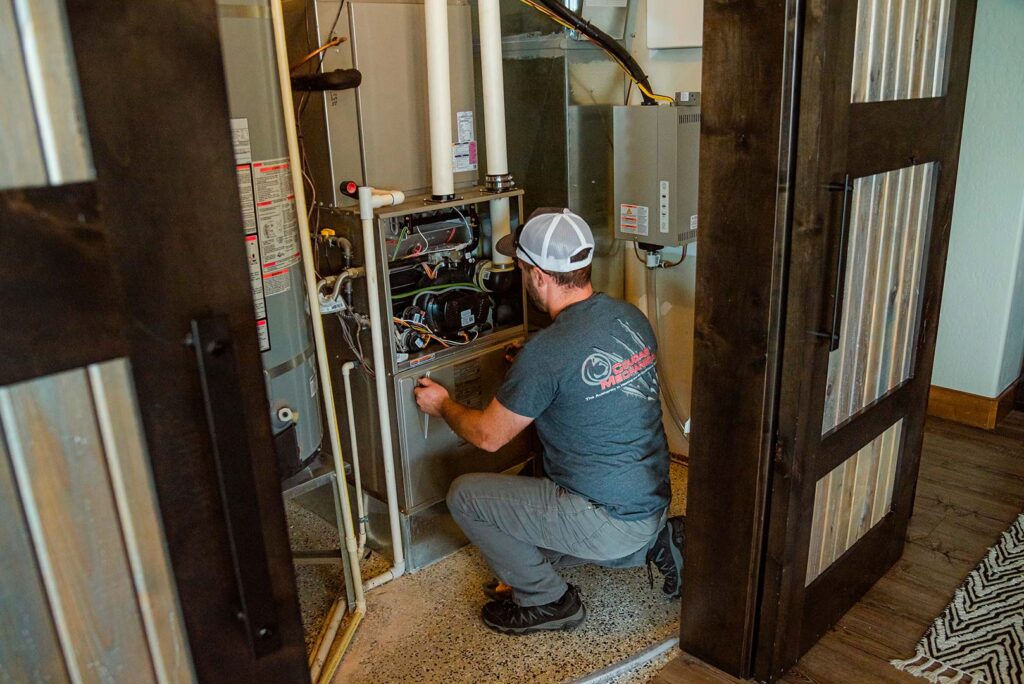
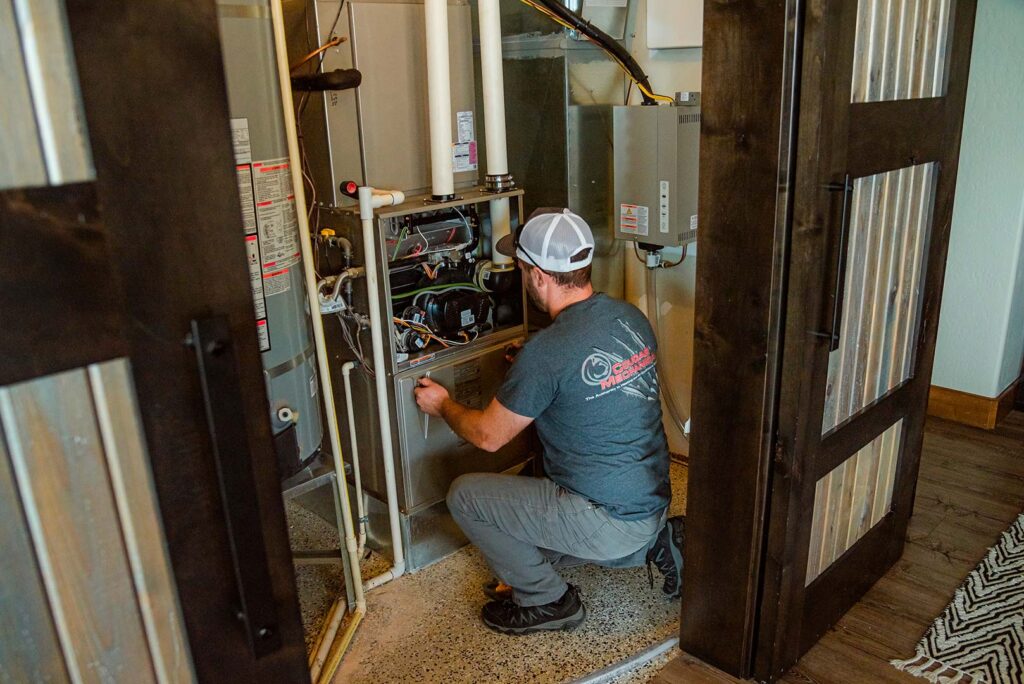
From October through March, Spokane furnaces, water heaters, and gas fireplaces run almost nonstop. That’s also when carbon monoxide risk is highest. CO has no color or smell, so a working alarm is the only warning you’ll get. Cougar Heating, Cooling, Plumbing & Electrical installs and tests hardwired, interconnected smoke and CO detectors, and because we also provide heating services, we can check the source of the risk too.
Why CO & Smoke Detection Matters
Carbon monoxide comes from fuel-burning equipment that isn’t venting properly. Common sources include:
- A gas furnace with a cracked heat exchanger or a blocked flue
- Gas water heaters and fireplaces
- A car warming up in an attached garage
- A portable generator running too close to the house during an outage
Early CO exposure feels like the flu: headache, dizziness, nausea, and fatigue that ease when you leave the house. Home fires also rise in winter, driven by heating equipment, space heaters, and holiday decorations. Working alarms give your family the minutes it needs to get out.
If your CO alarm ever sounds, get everyone outside and call 911 from there. Once it’s safe, our emergency heating service can inspect your equipment.
Placement Best Practices
Good CO detector placement matters as much as the detector itself. Follow these guidelines for both alarm types:
- Smoke alarms inside every bedroom, outside each sleeping area, and on every level, including the basement
- CO alarms outside each sleeping area and on every level of the home
- Rooms next to an attached garage should have CO protection
- Interconnected alarms, so when one sounds, they all sound
- Keep alarms away from kitchens, bathrooms, and drafty spots near windows, which cause false alarms or slow detection
Follow the manufacturer’s height guidance for CO alarms, since it varies by model.
Installation & Testing
Every smoke detector installation we complete uses hardwired alarms with battery backup, interconnected throughout your home, and the same goes for CO detectors.
Alarms don’t last forever. Smoke alarms should be replaced every 10 years, and most CO alarms every 5 to 7 years, depending on the model. Check the date on the back.
For a more complete home safety inspection, pair your alarm installation with a furnace tune-up, where our technicians inspect the heat exchanger and venting.
Why Choose Cougar for Smoke and CO Detectors
- Electricians and heating technicians on one team, so we look at both the alarm and the equipment it’s protecting you from
- Licensed, NATE-certified technicians and 24/7 live answering
- Upfront pricing, backed by our 100% customer satisfaction guarantee
- Locally operated in Spokane and serving North Idaho
Call (509) 253-5430 or schedule service online.